
Reviewed · STANLEY PARK TOURS
Talking Trees: Stanley Park Indigenous Walking Tour Led by a First Nations Guide
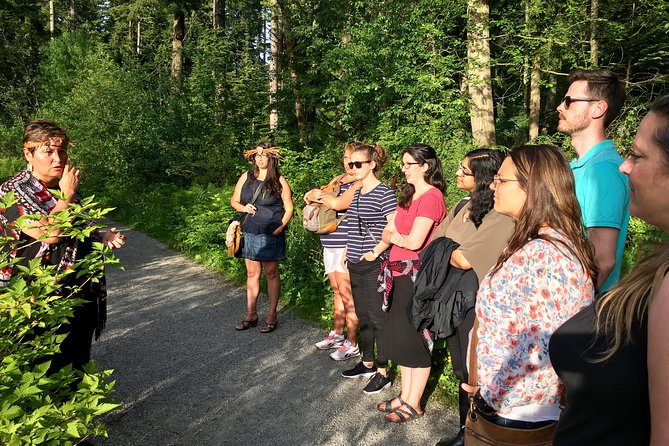
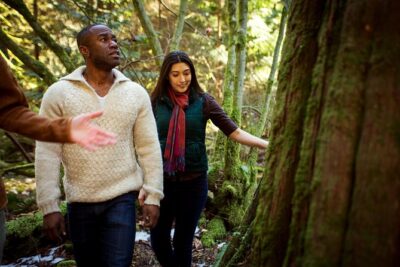
The most meaningful part of this Stanley Park walk is the change in viewpoint. Beaver Lake is not just a pretty forest stop. With a First Nations guide beside you, the trees become sources of food, medicine, shelter, tools, clothing, and stories connected to generations of Coast Salish life.
I like the personal storytelling and the calm pace. Guides such as Gavin, Shay, Wes, Alfonso, Candace, and Tyrone bring their own family backgrounds and experiences into the walk. I also like the flat, easy route, which lets you focus on the forest instead of your footing.
The main consideration is meeting your guide. The Bus Loop can be confusing, and one couple had trouble finding the right spot because the directions were not clear enough. Allow time to locate the round wooden gazebo, and call for help before the start if you are unsure.
In This Review
- Key Points About the Beaver Lake Walk
- Why Talking Trees Changes the Way You See Stanley Park
- Starting at the Stanley Park Bus Loop
- Walking the Forest Trail to Beaver Lake
- Learning From Cedar, Berries, and Medicinal Plants
- The Tea Stop and the Human Side of the Tour
- Group Size, Guide Style, and What You Will Actually Get
- How the Route Ends at the Bus Loop
- Is $60.08 a Fair Price?
- Who Should Book This Stanley Park Experience?
- Practical Tips Before You Go
- Should You Book Talking Trees?
- FAQ
- Where does the Talking Trees tour begin?
- Where does the tour end?
- How long does the experience last?
- How far do you walk?
- Is the walk difficult?
- What is included in the price?
- Is parking included?
- Can I cancel for a full refund?
Key Points About the Beaver Lake Walk
- A First Nations guide leads the walk: Your Cultural Land Ambassador shares personal background, cultural teachings, and information about the Coast Salish peoples.
- The route is easy and mostly flat: You cover a little more than 1 mile, or about 2 kilometers, at a relaxed pace.
- Plants take center stage: Learn how cedar and other local plants were used for food, medicine, shelter, art, technology, and daily life.
- The tour begins and ends at the Stanley Park Bus Loop: That makes it simple to continue to the Aquarium, Miniature Train, or another part of the park afterward.
- Talaysay Indigenous tea is included: You receive one cup of coffee or tea, usually an Indigenous tea blend, during the walk.
- The experience has earned a 5 out of 5 rating from 86 reviews: Every listed rating recommends the tour, though guide style and group size can vary.
Why Talking Trees Changes the Way You See Stanley Park
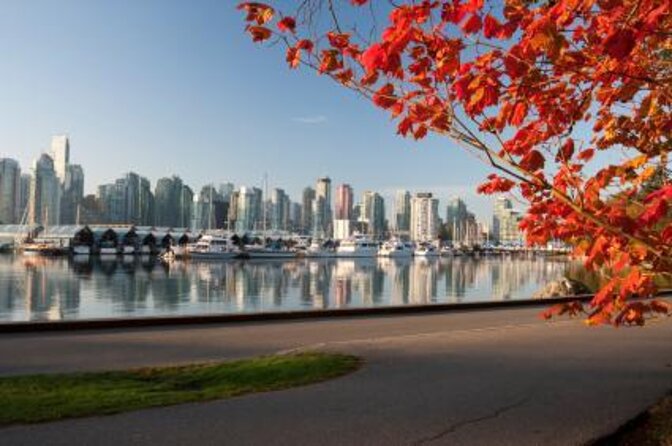
Stanley Park is easy to admire on your own. You can walk beneath huge trees, follow the seawall, and take the usual photographs. The Talking Trees tour asks you to slow down and ask a different question: How have people lived with this forest?
Your guide introduces the Coast Salish First Nations people and the first settlers of the area. The focus is not only on past events. It is on the continuing relationship between people and the land, including the practical ways plants were gathered, prepared, and used.
That makes the walk more than a standard nature stroll. You might look at cedar and think only of a tall evergreen. Your guide may explain how cedar parts were used for shelter, art, clothing, tools, and even diapers. You may see berries as decoration along the trail, then learn that some can be picked and eaten.
The tour also gives space to personal stories. Alfonso, for example, has been praised for connecting his ancestry to the forest and for sharing his story openly. Wes has welcomed groups with singing and drumming, while other guides have used family background and lived experience to give the discussion a human face.
I find that personal element especially valuable for anyone who wants more than a broad introduction to Indigenous culture. The walk cannot explain every part of First Nations history in 90 minutes, but it can give you a respectful starting point and a clearer sense of why the forest matters.
More of Stanley Park to see:
- Vancouver City Sightseeing Tour: Granville Island & Stanley Park
★ 4.5 · 1,782 reviews - Vancouver Tour: Stanley Park, Granville Island & Capilano Bridge
★ 4.5 · 1,778 reviews - The Stanley Park Bicycle Tour by Cycle City Tours
★ 5.0 · 785 reviews
Starting at the Stanley Park Bus Loop
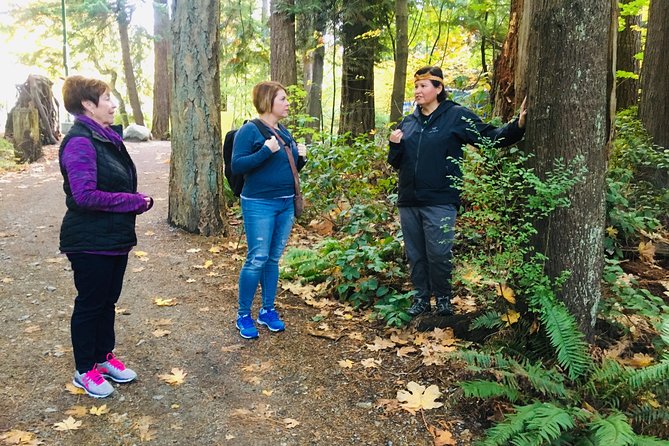
The tour begins at the Stanley Park Bus Loop, beside the Miniature Train and Aquarium parking area. Look for the round, open-air wooden gazebo inside the bus loop. This is the check-in point and the place where you meet your Cultural Land Ambassador.
The location is practical, but it deserves attention. Stanley Park has several attractions, parking areas, and paths close together, so do not simply head toward the Aquarium and assume you have arrived. If you drive into the park from Georgia Street, follow the Causeway and take the Pipeline Road exit at the roundabout. Continue uphill past the Rose Garden, then turn right into the parking lot serving the Miniature Train, Aquarium, and Bus Loop.
Parking in Stanley Park is paid and is not included. Public transportation is also not included, although the starting point is near public transit. I would arrive early enough to find the gazebo without rushing. The directions have caused confusion for at least one booking, especially when the group was very small and the guide was also trying to locate the participants.
The opening section takes about 10 minutes. Your guide introduces themself, welcomes the group, and usually shares some family background before leading everyone toward the trail. That introduction matters because it places the walk in the guide’s own voice rather than presenting Indigenous culture as a collection of distant facts.
Walking the Forest Trail to Beaver Lake
From the Bus Loop, the route follows shaded forest trails toward Beaver Lake. The pace is leisurely, with stops for explanations, questions, and quiet observation. This is not a fitness hike. You walk a little more than 2 kilometers in all, including the loop around the lake and the return to the bus loop.
The trail section is scheduled for about 1 hour and 15 minutes, with the full experience lasting approximately 90 minutes. That timing allows the guide to stop often. You are not hurried from one signpost to the next, and you do not need to keep up with a fast group.
The easy grade is one of the tour’s strongest practical features. An 80-year-old participant who used a cane found the walk comfortable, and another visitor described it as flat and not strenuous. That does not mean you should ignore basic outdoor needs. Wear shoes suitable for forest paths, and bring clothing for Vancouver’s changing weather. A winter participant found the walk cold but appreciated the hot tea.
The setting also helps. Beaver Lake is quieter than the park’s main attraction areas, and the trees create a sense of distance from traffic and city noise. One of the pleasures of the route is simply stepping away from the busy parts of Vancouver for a while.
Learning From Cedar, Berries, and Medicinal Plants
The plant teaching is the heart of Talking Trees. Your guide points out local trees, shrubs, berries, and other plants, then explains their traditional uses. Topics can include food, medicine, shelter, art, technology, and cultural practice.
Cedar receives particular attention. You learn how its parts were prepared and put to work in daily life, including uses that may surprise you. The point is not to turn the forest into a list of botanical names. It is to show how careful observation and practical knowledge allowed people to live well with the resources around them.
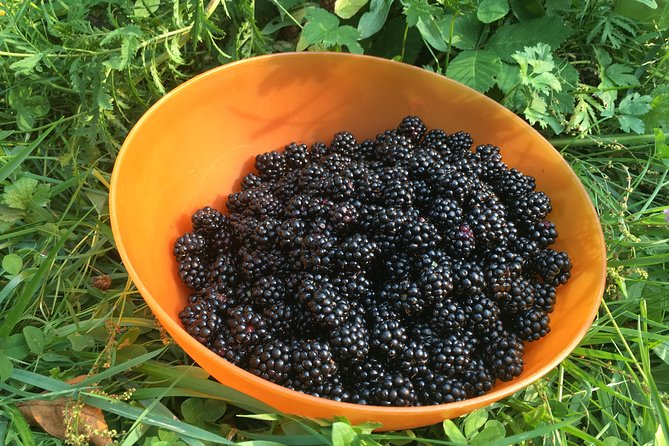
You may also learn about medicinal properties and traditional harvesting. Some groups have been able to pick and taste berries along the way. That detail depends on the season and the guide’s approach, so you should not treat the walk as a foraging activity. Still, it adds a direct sensory link to the teaching when available.
The discussion connects plants to stewardship. You hear how Native people managed and respected natural resources over generations. For me, this is where the tour offers its clearest lesson: the forest is not an untouched backdrop separated from human life. It is a place shaped by knowledge, responsibility, and use.
The guides also welcome questions. Tyrone has been praised for explaining the ecosystem with passion, while a young First Nations university student was described as warm and informative during a private-feeling walk. The exact tone will vary by guide, but the format encourages conversation rather than a one-way speech.
More walking tours around Vancouver:
- Gastown Historic Walking Food Tour
★ 5.0 · 1,863 reviews - Vancouver Lost Souls of Gastown Walking Tour
★ 5.0 · 1,273 reviews - A Wok Around Chinatown: Culinary and Cultural Walking Tour Led by a Chef
★ 5.0 · 610 reviews - The Forbidden Downtown and Gastown Walking Tour
★ 5.0 · 476 reviews
The Tea Stop and the Human Side of the Tour
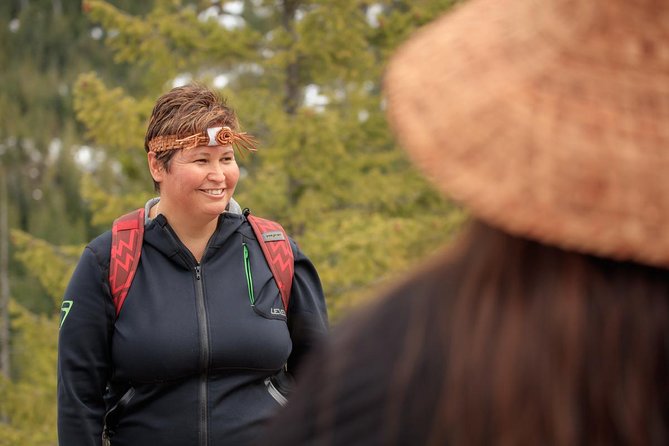
A single cup of coffee or tea is included, with Talaysay Hush Tea, an Indigenous tea blend, listed as the special option. The tea is a small part of the price, but it works well in the experience. On a cool or rainy day, it gives the group a warm pause and a chance to talk informally.
Several guides have made the tea part of their welcome. Shay brought tea to share with a small group, and another guide served it midway through a rainy walk. In winter, the warm drink was especially welcome.
Do not book this tour expecting a large meal or a full refreshment service. It is one cup during a short walking experience. Its value comes from the pause and the connection to the guide, not from the quantity.
The personal side of the walk is often what people remember. Alfonso has used an ancestral drum during the welcome, and Wes has sung and drummed for a group. These details are not guaranteed at every departure, so I would treat them as possible parts of the experience rather than promised features.
Group Size, Guide Style, and What You Will Actually Get
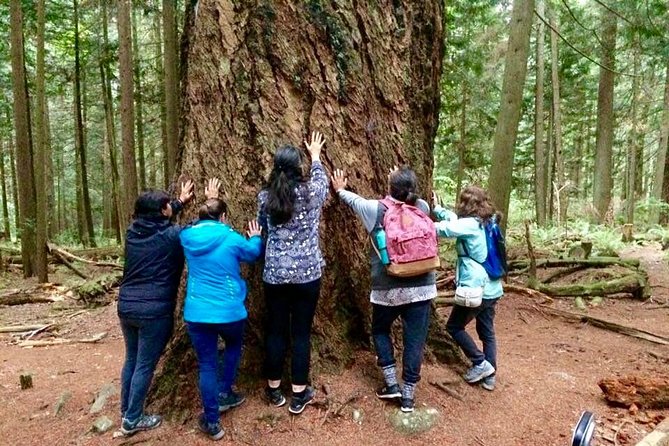
The stated maximum is 200 participants, which is a very large possible limit for a forest walk. In practice, the experiences described include small groups and even private-feeling walks with only one or two participants. That means you may have plenty of room for questions, but you should not assume every departure will be intimate.
The guide makes the biggest difference. Gavin has been praised for his personal context and warm teaching style. Shay has been described as thoughtful and welcoming. Candace has led detailed discussions of Stanley Park and First Nations culture. Alfonso has connected ancestry, plants, and personal history. Tyrone has brought strong knowledge of the local ecosystem, while Wes has added music and drumming.
These examples show the range of the program. You are booking a format and a cultural experience, not a specific guide unless your confirmation says otherwise. Some guides may focus more on plants, some on family stories, and some on music, history, or questions from the group.
I would come ready to listen and ask respectful questions. The tour is designed for adults and young people, and a family with children aged 8 and 10 found it worthwhile. The subject is serious, but the walk itself is friendly and approachable.
How the Route Ends at the Bus Loop
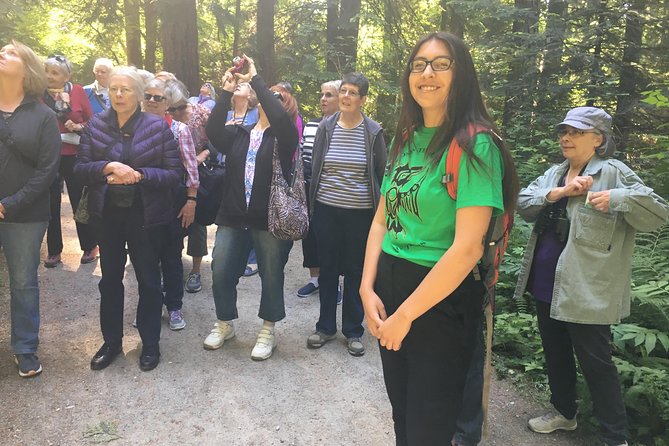
After circling Beaver Lake, you follow the forest trail back toward the Stanley Park Bus Loop. The return takes about 5 minutes in the stated schedule, although the total walking time is about 90 minutes when the route and stops are counted together.
The ending is convenient. You finish where you started, so you can return to your car, catch a bus or taxi, or continue exploring Stanley Park. You might head to the Aquarium or Miniature Train nearby, or plan the tour as a quieter break between other park activities.
The return also gives you time for final questions. Because the guide remains with the group until the end, you can clarify a plant use, ask about a story, or simply talk about what you have heard. That informal finish helps the experience feel like a conversation rather than a lecture that stops abruptly.
Is $60.08 a Fair Price?
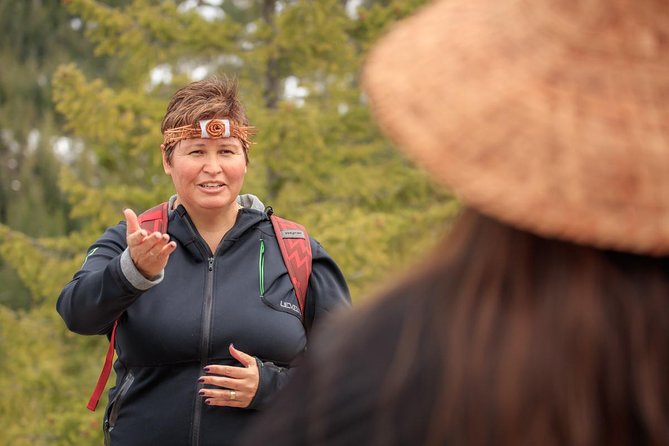
At $60.08 per person, Talking Trees is not the cheapest way to walk in Stanley Park. You can enter the park without paying for admission and explore many paths on your own. The price is paying for a trained First Nations Cultural Land Ambassador, focused interpretation, personal storytelling, and a cup of Indigenous tea.
The value is strongest if you want context. Without a guide, you may enjoy the trees and lake but miss the cultural meaning of cedar, berries, and other plants. You also miss the chance to hear directly from a First Nations guide about family background and connections to the land.
The price is less compelling if you want a fast sightseeing loop or a strenuous outdoor activity. The walk is short, easy, and centered on listening. You are paying for understanding, not distance covered.
The program is often booked well ahead, with an average booking time of 29 days in advance. That suggests you should reserve early if your Vancouver schedule is fixed. Several departure times are offered, which helps you fit it around other plans, but the exact departure options should be checked when booking.
Free cancellation is available up to 24 hours before the start time. A cancellation within 24 hours is not refunded, and changes inside that window are not accepted. The policy uses local Vancouver time.
Who Should Book This Stanley Park Experience?
I would recommend Talking Trees to you if you want to connect Stanley Park’s natural beauty with Indigenous history and culture. It suits solo visitors, couples, families, older adults, and anyone interested in plants, gardening, conservation, or local history.
It is especially useful for:
- Families looking for an educational activity that is not strenuous
- Visitors who want to learn from a First Nations guide rather than rely only on museum displays
- Garden and nature enthusiasts curious about traditional plant uses
- People with limited walking stamina who can manage an easy forest route
- Vancouver residents who know Stanley Park but want a new way to understand it
- Visitors with only 90 minutes for a thoughtful cultural activity
I would choose something else if you need hotel pickup, dislike guided discussion, or want a long hike. Parking and public transportation cost extra, and the route does not cover the famous seawall views. This is a forest and cultural walk, not a full tour of every part of Stanley Park.
Practical Tips Before You Go
Meet at the wooden gazebo inside the Stanley Park Bus Loop, not simply somewhere near the Aquarium. If you are driving, remember that Stanley Park parking is paid.
Wear comfortable walking shoes and dress for rain or cool weather. The walk is easy, but it takes place on forest trails, and the weather can change. A cane user found the route manageable, but you should consider your own comfort and mobility.
Plan to ask questions. The guides encourage discussion, and the small groups sometimes create a personal setting. You may also want to allow extra time before the start to find the meeting point, since unclear directions have caused delays.
Service animals are allowed, and most people can take part. The tour is offered in English and uses a mobile ticket.
Should You Book Talking Trees?
Yes, if you want Stanley Park to mean more than beautiful trees and a pleasant lake. The 90-minute route is easy, the meeting point is convenient, and the price supports a focused cultural lesson led by a First Nations guide.
Book it for the stories, the plant knowledge, the personal connection, and the chance to learn how Coast Salish peoples have lived with and cared for this place. Skip it only if you want a self-guided walk, a workout, or a broad city sightseeing tour. For a calm and thoughtful introduction to Indigenous culture in Vancouver, Talking Trees is a strong choice.
FAQ
Where does the Talking Trees tour begin?
The tour begins at the Stanley Park Bus Loop in Vancouver, beside the Miniature Train and Aquarium parking area. Check in at the round, open-air wooden gazebo inside the bus loop.
Where does the tour end?
The walk ends back at the Stanley Park Bus Loop, the same place where it begins.
How long does the experience last?
The experience lasts approximately 1 hour and 30 minutes. The route includes the walk to Beaver Lake, a loop around the lake, and the return to the bus loop.
How far do you walk?
You walk a little more than 1 mile, or about 2 kilometers, at a relaxed pace.
Is the walk difficult?
The walk is described as easy and suitable for most fitness levels. It is generally flat and not strenuous. A participant who was 80 and used a cane found the route comfortable.
What is included in the price?
The price includes a First Nations Cultural Land Ambassador and one cup of coffee or tea, including the Talaysay Hush Tea Indigenous blend.
Is parking included?
No. Stanley Park has paid parking, and parking fees are not included. Public transportation to the meeting point is also not included.
Can I cancel for a full refund?
Yes. You can cancel at least 24 hours before the experience start time for a full refund. Cancellations or changes made less than 24 hours before the start time are not accepted for a refund.
Just added around Vancouver
- Private Vancouver City Amazing Highlight Tour With Chinese Garden★ 5.0 · 3 reviews
- Private Chauffeured Airport to Whistler Transfer (YVR – Whistler)★ 3.5 · 3 reviews
- Stanley Park Self Guided Bike Tour★ 5.0 · 3 reviews
- Unforgettable Whistler ( Full Day Private Tour)★ 5.0 · 3 reviews
- Private Accessible Vancouver Airport (YVR) Transfer to City of Vancouver★ 5.0 · 3 reviews
- Private Chauffeured Whistler Transfer (Vancouver to Whistler)★ 4.0 · 3 reviews
- Experience the Beauty of Vancouver’s Forests by Bike/E-Bike★ 5.0 · 3 reviews
- 3 Hour Kayak in Vancouver with Coffee on the Beach★ 5.0 · 3 reviews
Stanley Park Tours, compared.

Vancouver City Sightseeing Tour: Granville Island & Stanley Park
Read our review →
Vancouver Tour: Stanley Park, Granville Island & Capilano Bridge
Read our review →
The Stanley Park Bicycle Tour by Cycle City Tours
Read our review →
Sunset Bus Tour: Stanley Park & English Bay Photostops
Read our review →Browse the lists this tour appears in