
Reviewed · VANCOUVER FOOD TOURS
A Wok Around Chinatown: Culinary and Cultural Walking Tour Led by a Chef
Vancouver’s Chinatown makes the most sense when you connect its food to the people who built the neighborhood. This four-hour walk does just that, beginning in the Dr. Sun Yat-Sen Classical Chinese Garden and moving through shops, food counters, cultural sites, and a sit-down dim sum meal. Bob Sung is the guide most often named, with retired chef Thomas also leading some departures.
I like the way food and Chinese Canadian history are handled as one subject, not two separate talks. I also like the small group size, capped at 14, which gives you a better chance to ask questions and keep up with the guide. The main consideration is pace: some food is prepared during the tour, and one candid account found the waiting and extended explanations too slow.
In This Review
- Key points to know before booking
- Starting with the Dr. Sun Yat-Sen Classical Chinese Garden
- Walking through Chinatown with a chef
- The food: generous portions and a broad range
- Dim sum lunch and the meaning behind the dishes
- Tea, shops, and the quieter side of Chinatown
- Chinatown’s history, including its difficult chapters
- The present-day neighborhood is part of the picture
- Group size, walking pace, and overall feel
- Who gets the most from this tour
- Is the $122.28 price fair?
- My booking advice
- FAQ
- Where does the tour start?
- What time does the tour begin?
- How long does the experience last?
- Where does the tour finish?
- What food and drinks are included?
- How large is the group?
- Can dietary restrictions be accommodated?
- Is the tour canceled if only one person books?
- Can I cancel for a refund?
Key points to know before booking
- A four-hour Chinatown walk begins and ends at the Dr. Sun Yat-Sen Classical Chinese Garden.
- The price includes food samples, tea, garden admission, and a dim sum lunch.
- Bob Sung brings personal ties and strong knowledge of Chinese Canadian history to the walk.
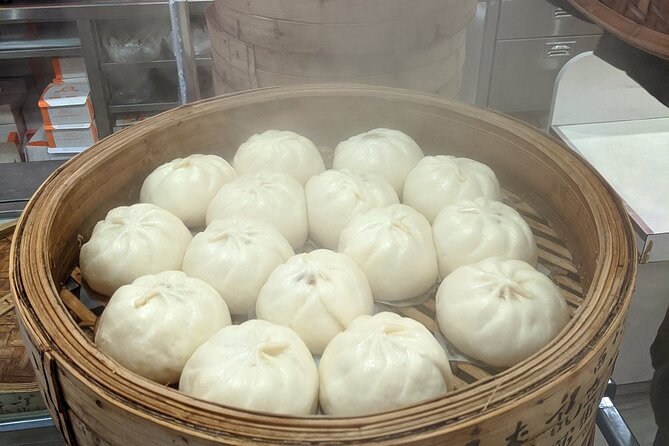
- Food can include Chinese BBQ, pork buns, sweets, savory bites, tea, and less familiar items such as jellyfish.
- The group is limited to 14 people, with many departures feeling more intimate than a standard city tour.
- Vancouver Chinatown’s empty storefronts and visible street disorder are part of the setting, not something the tour can avoid.
Starting with the Dr. Sun Yat-Sen Classical Chinese Garden
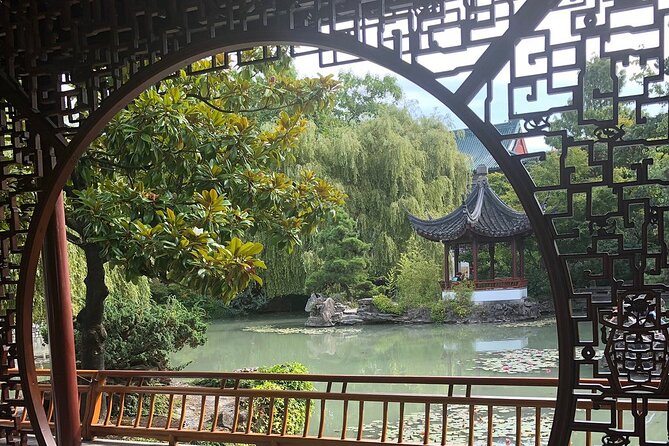
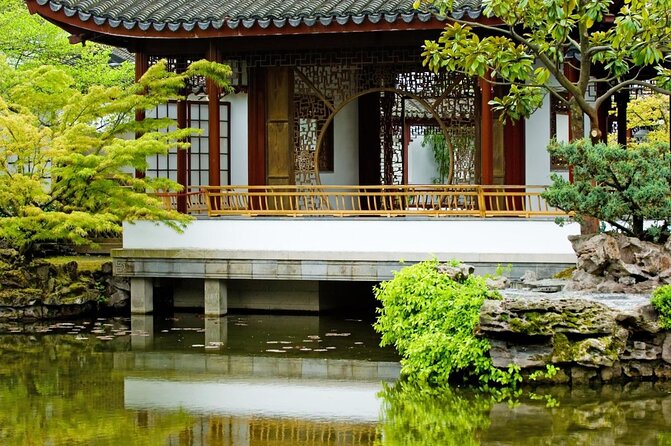
Meet at 11 a.m. outside the Dr. Sun Yat-Sen Classical Chinese Garden at 578 Carrall Street. This is a sensible starting point. The garden offers a quiet change from downtown traffic and gives the guide a place to explain Chinese cultural ideas before you begin eating and walking.
The garden is known for its classical design and is presented as one of the world’s notable urban gardens. You get admission as part of the experience, so this is more than a quick look from the sidewalk. Depending on the season, the garden can feel quite different. In late autumn and winter, the bare forms and still water create a spare, calm setting. In warmer months, you see more foliage.
The opening discussion uses garden features, including the rocks and the Jade Water Pavilion, to explain traditional Chinese values and symbolism. This may appeal to you if you enjoy cultural context. If you prefer to get straight to the food, the introduction can feel longer than expected, especially when the guide pauses to discuss the meaning of particular formations.
I would allow yourself a little extra time before 11 a.m. to find the garden and use the washroom. The tour ends back at this same meeting point, which makes it easy to connect with nearby public transportation afterward.
More food tours around Vancouver:
- Gastown Historic Walking Food Tour
★ 5.0 · 1,863 reviews - Granville Island Market Food Tour by Vancouver Foodie Tours
★ 5.0 · 552 reviews - Vancouver Food Tour with 6 Tastings of Sushi, Chocolate, and more
★ 5.0 · 419 reviews
Walking through Chinatown with a chef
From the garden, the tour becomes a food walk through Vancouver Chinatown. The route is designed around tasting and explanation rather than a simple list of landmarks. You may stop at food vendors, bakeries, restaurants, tea shops, cookware stores, and herbal medicine shops.
The guide explains how everyday objects relate to Chinese cooking. A cookware shop, for example, becomes a chance to understand the tools used in Chinese kitchens. An herbal medicine store gives you a look at a traditional approach to health and ingredients. These stops work best if you are curious and willing to ask questions rather than simply waiting for the next snack.
Bob Sung is frequently identified as the host, and his approach is personal rather than formal. He connects the neighborhood to Chinese Canadian experiences in British Columbia, including immigration, work on the railways, discrimination, family life, and the preservation of culture. Thomas, a retired chef, has also led the experience and is described as bringing strong cooking knowledge to the explanations.
That distinction matters. This is not only a restaurant crawl. You are asked to understand why certain foods are served at celebrations, what ingredients mean in Chinese culture, and how food helps maintain a connection to family and place. The strongest part of the tour is this link between what you taste and what you are learning.
The food: generous portions and a broad range
The tasting sequence includes both sweet and savory foods. Specific examples described during the experience include Chinese BBQ, pork buns, dumplings, and other small bites. The portions are not necessarily tiny samples. Several people found themselves very full by the end, especially after the dim sum meal.
You may also encounter food that is less familiar to you. Jellyfish is one example mentioned by a participant, and the guide encouraged the group to try it. That kind of moment can be fun if you approach the tour with an open mind. It is less suitable if you want complete control over every dish or prefer familiar food only.
Dietary needs should be shared when you book. The tour specifically asks for food allergies and other considerations, and one group with several restrictions was accommodated successfully. Still, you should provide clear information in advance rather than waiting until the first stop.
The food is served in different ways. At some stops, the guide arranges a platter and shares it among the group. You may be standing outside a shop while food is prepared, then receive a portion with a toothpick. This creates a casual street-food feel, but it is not the same as sitting down at every stop.
That difference is worth understanding before you pay. If your ideal food tour means a dish arrives at a set table every 15 minutes, this may feel loosely organized. If you like seeing the neighborhood’s food businesses and trying several items in their original setting, the format makes more sense.
Dim sum lunch and the meaning behind the dishes
The included dim sum lunch is the main meal of the walk. You sit down at a restaurant and share dishes with the group, while the guide explains dim sum customs, symbolism, and etiquette.
This is a useful setting for first-time dim sum diners. You can learn how shared dishes work and how to think about the meal as part of Chinese social life, not simply a collection of dumplings. The guide also explains the significance of the foods, which gives the lunch more purpose than ordering a random assortment on your own.
Portions are described as generous, and the lunch adds real value to the $122.28 price. You are not paying only for a guide and a few tastes. Admission to the garden, a range of samples, tea, and a full dim sum meal are included, with alcohol available separately if you want it.
The lunch may feel rushed to some people. The experience has a lot to cover in about four hours, and the timing depends partly on restaurant service and food preparation. If you enjoy lingering over dim sum, you may wish the meal had more time. If you are sightseeing on a tight schedule, the fixed four-hour format is easier to manage.
More walking tours around Vancouver:
- Vancouver Lost Souls of Gastown Walking Tour
★ 5.0 · 1,273 reviews - The Forbidden Downtown and Gastown Walking Tour
★ 5.0 · 476 reviews - Gratuity-Based Vancouver City Highlights 3 Hour Walking Tour
★ 4.5 · 320 reviews - Ancient Trees of Vancouver Walking Tour
★ 5.0 · 225 reviews
Tea, shops, and the quieter side of Chinatown
Tea is an important part of the experience and usually provides a slower moment after the walking and food. The guide discusses tea traditions and how tea fits into Chinese culture. The tea stop can be a highlight, especially if you have little experience with Chinese tea service.
You may also enter shops selling cookware and herbal medicines. These are practical places, not staged attractions. You see the kinds of businesses that support a neighborhood’s cooking and daily life, and you can ask about ingredients or equipment you might otherwise pass without noticing.
There is a possible commercial edge here. One account found a tea shop overpriced and felt encouraged to buy items without receiving much additional tasting. You should treat purchases as optional. The value of the tour comes from the explanation and included food, not from buying tea, cookware, or herbal products.
The tea service is also described as a memorable closing note by some participants. That makes sense: after the noise and movement of the meal, tea gives the group a chance to slow down and reflect on what you have seen.
Chinatown’s history, including its difficult chapters
The historical portion is a major reason to choose this experience. Vancouver Chinatown is presented through the Chinese Canadian story, including the arrival of immigrants, their work, the building of communities, institutional racism, and the effort to preserve culture across generations.
You are not getting a generic account of Chinatown in North America. The emphasis is on Vancouver and British Columbia. The guide links specific places and businesses to the broader experience of Chinese Canadians, and personal connections can make the history feel more immediate.
Some versions of the walk include cultural displays or museum material documenting Chinese life in British Columbia. You may see evidence of family and community stories in the area itself. The focus is educational, but the guide also uses humor and personal anecdotes to keep the walk from becoming a lecture.
The tone can be quite conversational. Many groups find it feels like walking around with a local friend who wants to show you favorite places. That can make the afternoon warm and engaging, but it also means the amount of storytelling depends on the guide and the group. If you prefer a tightly scripted tour with short commentary, this may seem less efficient.
The present-day neighborhood is part of the picture
You should arrive with realistic expectations about Vancouver Chinatown today. The neighborhood has cultural importance, but it also has empty buildings and visible street disorder. Those conditions are part of the route and cannot simply be edited out for a more polished visitor experience.
For some people, this makes the walk more honest. You see an area working to maintain its identity while facing current problems. For others, the atmosphere may dampen the pleasure of the food and garden, particularly if they expected a fully restored historic district.
The guide does not control the storefronts, street conditions, or restaurant waiting times. The tour’s purpose is to explain and share the neighborhood as it exists. I would choose this experience because of the history, food, and personal guidance, not because I expect every block to look picturesque.
Group size, walking pace, and overall feel
The maximum group size is 14 people. That is small enough for a conversation, though the actual group can vary. One group had nine people, while another had five or six. A smaller departure will naturally feel more personal, but even a full group is more manageable than a large coach excursion.
The tour lasts about four hours and involves regular walking with standing at food stops. Most people can participate, and the meeting point is near public transportation. Wear comfortable shoes and plan for weather, since parts of the experience take place outdoors and the tour continues in rain.
Pacing is the clearest practical weakness. Food preparation can create pauses, and the guide may spend substantial time on garden symbolism, cultural ideas, or personal stories. Some people appreciate that depth. Others may feel they are losing sightseeing time while waiting outside shops or listening to extended explanations.
If your schedule is packed, this is not an ideal activity to squeeze between several timed attractions. Give it the full four hours. The tour works better when you accept that the conversation and pauses are part of the experience rather than treating them as delays.
Who gets the most from this tour
I would recommend it most strongly to first-time visitors who want a grounded introduction to Vancouver Chinatown. It also suits repeat visitors who have walked the main streets before but have not learned much about Chinese Canadian history or entered the neighborhood’s specialty shops.
Families can benefit from the mix of garden, walking, food, and stories. Couples and small groups should enjoy the relaxed social format, particularly if they like sharing dishes and talking with a guide. People interested in food symbolism, tea, Chinese culture, or Vancouver’s immigrant history will find plenty to hold their attention.
This is less suitable if you want a fast-paced tasting tour with food ready at every stop. It may also disappoint you if you expect a pristine historic district or a fully private experience. The maximum group is 14, and the tone can be personal, humorous, and occasionally more conversational than polished.
Is the $122.28 price fair?
At $122.28 per person, this is not a cheap way to grab lunch. It is a reasonable price if you would otherwise pay separately for garden admission, several tastings, tea, and dim sum, while also hiring a guide to explain the neighborhood.
The strongest value comes from the combination. A dim sum meal alone gives you food, but not much context. A history walk gives you context, but not the chance to taste the cuisine as you move through the district. Here, the two subjects support each other.
Alcohol is not included, though it can be purchased. Other purchases at shops are also extra. Keep that in mind when budgeting, especially if you are tempted by tea, cookware, or specialty ingredients.
The tour is often booked well ahead, with an average booking lead time of about 39 days. That suggests you should reserve early if the date matters, especially for a small group. Confirmation arrives within 48 hours and is subject to availability. At least two people are required for a booking, and the tour can be canceled if that minimum is not met.
My booking advice
Book this tour if you want food with a story, a personal guide, and a candid look at Vancouver Chinatown. The garden, tea service, included meal, and direct discussion of Chinese Canadian life give you more than a standard tasting route.
Skip it if your priority is speed, independent wandering, or a polished neighborhood free of visible urban problems. Also skip it if you dislike shared platters, standing while food is prepared, or long explanations.
For the right visitor, the $122.28 buys a useful first day in Chinatown: you eat enough to understand the food, learn why it matters, and leave with places you may want to revisit on your own. Free cancellation is available up to 24 hours before the 11 a.m. start time, which gives you some flexibility while planning.
FAQ
Where does the tour start?
The tour starts at the Dr. Sun Yat-Sen Classical Chinese Garden, 578 Carrall Street, Vancouver, British Columbia.
What time does the tour begin?
The scheduled start time is 11 a.m.
How long does the experience last?
The walking and food tour lasts approximately four hours.
Where does the tour finish?
The activity ends back at the Dr. Sun Yat-Sen Classical Chinese Garden meeting point.
What food and drinks are included?
Food samplings, tea, and a dim sum lunch are included. Alcoholic drinks are not included, but they are available to purchase.
How large is the group?
The tour has a maximum of 14 participants.
Can dietary restrictions be accommodated?
You should provide information about food allergies and dietary considerations when booking. The tour specifically requests these details.
Is the tour canceled if only one person books?
Yes. A minimum of two people is required per booking. If the minimum is not met, the tour may be canceled.
Can I cancel for a refund?
You can cancel at least 24 hours before the experience start time for a full refund. Cancellations or changes made less than 24 hours before the start time are not accepted for a refund.
Just added around Vancouver
- Private Vancouver City Amazing Highlight Tour With Chinese Garden★ 5.0 · 3 reviews
- Private Chauffeured Airport to Whistler Transfer (YVR – Whistler)★ 3.5 · 3 reviews
- Stanley Park Self Guided Bike Tour★ 5.0 · 3 reviews
- Unforgettable Whistler ( Full Day Private Tour)★ 5.0 · 3 reviews
- Private Accessible Vancouver Airport (YVR) Transfer to City of Vancouver★ 5.0 · 3 reviews
- Private Chauffeured Whistler Transfer (Vancouver to Whistler)★ 4.0 · 3 reviews
- Experience the Beauty of Vancouver’s Forests by Bike/E-Bike★ 5.0 · 3 reviews
- 3 Hour Kayak in Vancouver with Coffee on the Beach★ 5.0 · 3 reviews
Vancouver Food Tours, compared.
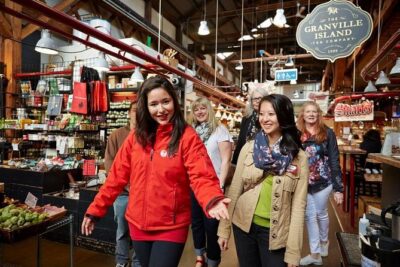
Granville Island Market Food Tour by Vancouver Foodie Tours
Read our review →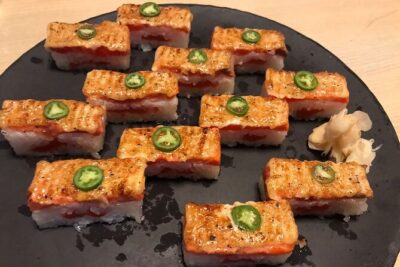
Vancouver Food Tour with 6 Tastings of Sushi, Chocolate, and more
Read our review →
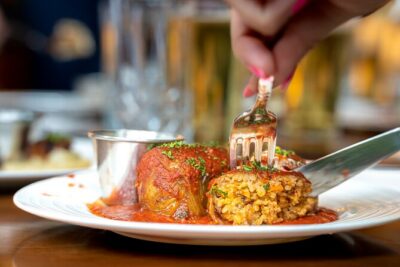
Gastronomic Gastown Food Tour by Vancouver Foodie Tours
Read our review →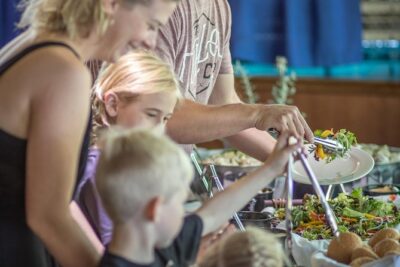
A Wok Around Food Tour of the Granville Island Public Market
Read our review →
Experience Gastown Vancouver’s Elite Walking Food Tour
Read our review →Browse the lists this tour appears in