
Reviewed · STANLEY PARK TOURS
Vancouver: Stanley Park Talking Trees Tour
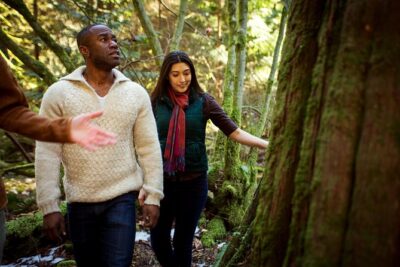
Stanley Park becomes far more than a pretty place for a stroll when an Indigenous guide explains what the trees and plants have meant to Coast Salish peoples. On this 90-minute walk, you follow forest paths to Beaver Lake, listen to stories tied to family and land, and see familiar greenery in a new light.
I like the strong cultural focus and the practical look at plants used for food, medicine, and technology. I also like the relaxed pace, with frequent stops for discussion rather than a forced march through the park. The main consideration is that this is a walking and listening experience, not a broad sightseeing tour of Stanley Park, and children under 12 may find the discussion-heavy format less suitable.
In This Review
- Key points to know before you go
- Seeing Stanley Park through Indigenous knowledge
- Starting under the Stanley Park Bus Loop gazebo
- The 1.5-hour walk and its gentle pace
- Beaver Lake and the herbal tea ceremony
- What the plant stories add to the visit
- Why the Indigenous guide matters
- What $58 gets you
- Clothing, age, and practical comfort
- Who will enjoy the Talking Trees Tour
- Should you book this Stanley Park experience?
- FAQ
- Where does the Stanley Park Talking Trees Tour meet?
- How long is the tour?
- How far do you walk?
- What language is the tour conducted in?
- What is included in the price?
- Is hotel pickup included?
- Is the tour suitable for children?
- What should you bring?
- Can you cancel or pay later?
Key points to know before you go
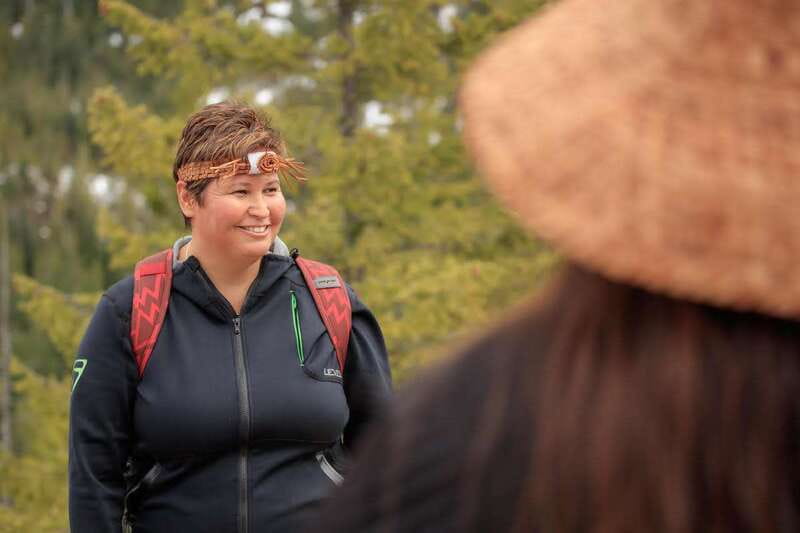
- A 2.2-kilometer walk: The route moves at a leisurely pace with frequent stops for stories, plant discussions, and observation.
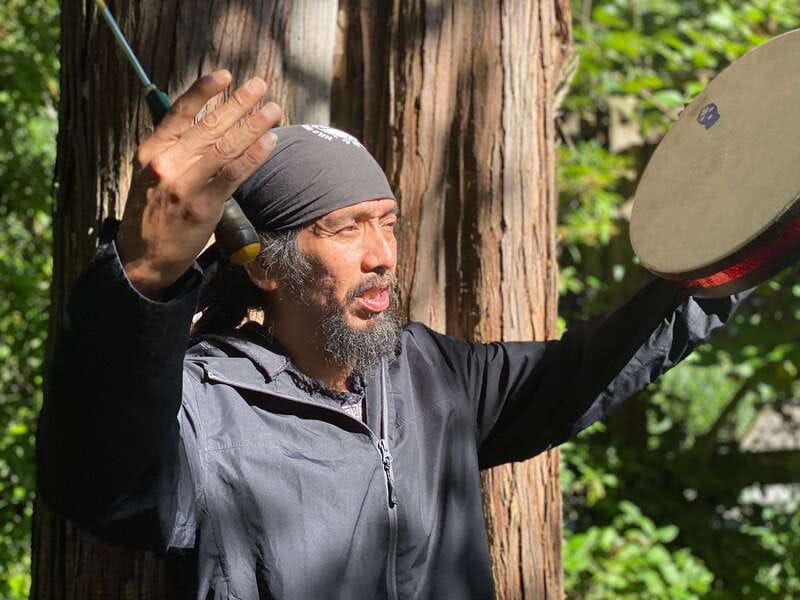
- An Indigenous-led experience: Your guide shares Coast Salish traditions, ecological practices, legends, and ways of living, drawing on local Indigenous communities and the surrounding region.
- Beaver Lake tea stop: The tour ends with complimentary Indigenous herbal tea and a tea ceremony.
- Seasonal tasting: Depending on the time of year, you may taste Indigenous berries growing in the park.
- Simple meeting point: Find the guide under the gazebo at the Stanley Park Bus Loop, near the Miniature Railway and Pavilion. The Google Maps location is LOT-62F.
- Best for curious walkers: Comfortable shoes, layered clothing, and an interest in culture and nature matter more here than a long list of park sights.
Seeing Stanley Park through Indigenous knowledge
Many visitors see Stanley Park as a place for seawall views, tall trees, and a quick escape from downtown Vancouver. This tour asks you to slow down and pay attention to what is growing around you.
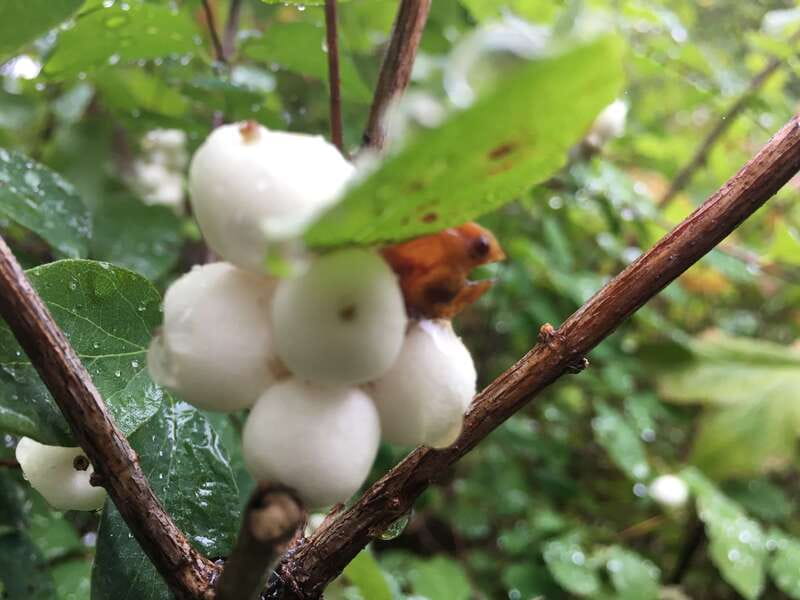
Each tree and plant has a story. Your guide explains how local Indigenous peoples have harvested plants for food, medicine, and technology, then places those uses within broader cultural traditions. That changes the walk from a simple nature outing into a lesson about how people can live with the natural world rather than treat it as scenery.
I like that the experience does not reduce Indigenous culture to a few old tales. The guide discusses ancient and contemporary history, ecological practices, legends, and daily ways of living. You get a sense of continuity, with the past connected to present-day values and choices.
The personal side matters, too. The guides come from local Indigenous communities and the surrounding region. Their connection to family and land gives the storytelling a direct quality that a standard botanical tour often lacks. One guide described how ancestral ideals can still fit modern life, a useful way to think about the subject without turning it into a museum lesson.
More of Stanley Park to see:
- Vancouver City Sightseeing Tour: Granville Island & Stanley Park
★ 4.5 · 1,782 reviews - Vancouver Tour: Stanley Park, Granville Island & Capilano Bridge
★ 4.5 · 1,778 reviews - The Stanley Park Bicycle Tour by Cycle City Tours
★ 5.0 · 785 reviews
Starting under the Stanley Park Bus Loop gazebo
Your meeting point is easy to misunderstand, so take the details seriously. The guide waits directly under the gazebo at the Stanley Park Bus Loop, near the Miniature Railway and the Pavilion inside the park.
This is not the Historic Loop at the park entrance. The listed Google Maps location is LOT-62F. If you are arriving by bus, allow enough time to get inside the park and reach the correct loop rather than assuming the first loop you see is the right one.
The meeting area places you close to the first part of the walk, so there is no hotel pickup or drop-off. You handle your own transport to Stanley Park. That keeps the price focused on the guide and the cultural experience, but it means you should plan your route before the start time.
The tour is conducted in English. If English is not your first language, consider the discussion-based format carefully. Much of the value comes from understanding stories, explanations, and connections between plants, people, and place.
The 1.5-hour walk and its gentle pace
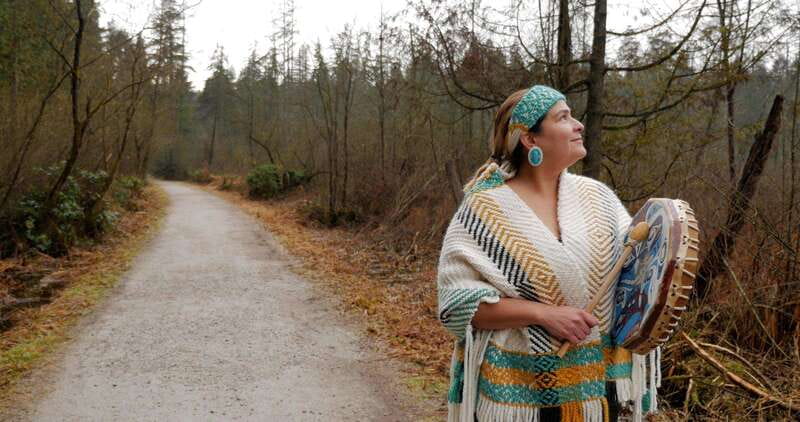
The main walk lasts about 90 minutes and covers approximately 2.2 kilometers. That is a manageable distance for many people, but you should still wear proper walking shoes. The route includes frequent pauses for conversation and exploration, so this is not a fitness outing.
The slower pace gives you time to look closely at plants rather than simply pass them. Your guide may point out species that you have walked past many times without noticing. The focus is not only on naming a plant, but on explaining how it can be used and why it matters.
You should expect the guide to shape the walk around the surroundings, the season, and the questions that come up. The supplied information does not promise a fixed list of plants or a particular route through every part of the park. That is a fair trade for a more responsive experience, but anyone expecting a tightly scripted sightseeing loop should know the difference.
Frequent stops also make the walk suitable for people who prefer learning at an easy pace. The drawback is that you cover only a small part of Stanley Park. If your goal is to see the seawall, major viewpoints, gardens, and other famous attractions in one outing, add separate time for those.
Beaver Lake and the herbal tea ceremony
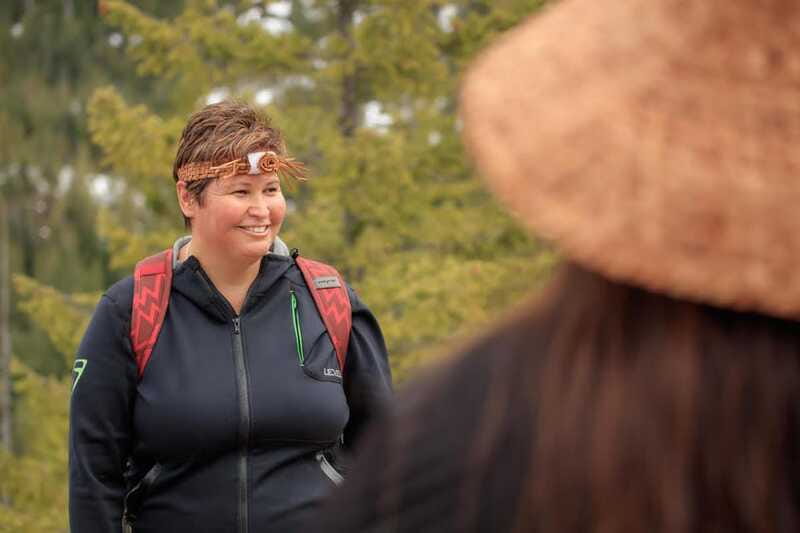
Beaver Lake gives the walk a natural pause and a clear closing point. Here, the group shares complimentary Indigenous herbal tea and takes part in a tea ceremony.
This is more than a drink handed out at the end. The ceremony gives the guide a chance to bring the themes of the walk together, including plants, care for the land, and the ways natural materials support community life. It also gives you a quiet moment to reflect on what you have heard.
The tea is included in the $58 price, which helps the cost feel more reasonable than a basic guided park walk. You are paying for the guide’s cultural interpretation, not just for directions through the woods. The tea adds a tangible part to the experience without turning it into a meal or a long refreshment break.
Seasonal Indigenous berries may also be available to taste. This depends on the time of year, so do not book the tour expecting a guaranteed food tasting. Think of it as a possible bonus that makes a summer or early autumn visit different from another season.
A different kind of day, same city:
- Vancouver Half-Day Whale Watching Adventure with Free Photos
★ 5.0 · 5,000 reviews - Big Bus Vancouver Hop-On Hop-Off Sightseeing Tour
★ 3.5 · 3,028 reviews - Victoria & Butchart Gardens Tour with Ferry from Vancouver
★ 4.5 · 2,703 reviews - Vancouver: Covered Whale Watching Adventure with Free Photos
★ 4.8 · 2,260 reviews
What the plant stories add to the visit
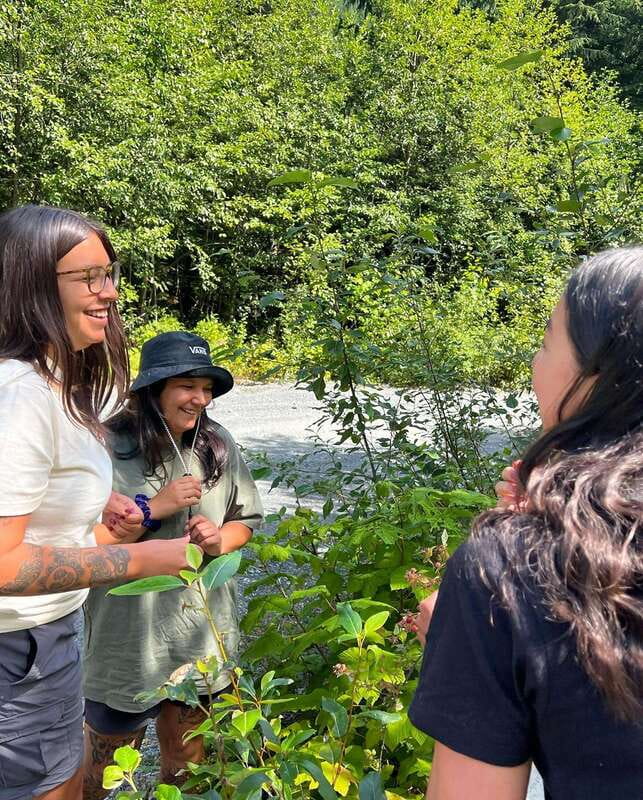
The most useful part of the tour is the connection between plants and everyday needs. You learn how local trees and plants have been harvested for food, medicine, and technology. That range is important because it shows the natural world as a source of practical knowledge, not merely a collection of attractive specimens.
You might hear how a plant fits into Indigenous ecological practices, or how a traditional use connects with a wider way of living. The available details do not provide a full plant list, so I would avoid promising specific species or remedies. The point is the method of seeing: observe the plant, understand its role, and respect the knowledge attached to it.
That approach can also help you look at Vancouver differently after the tour. A tree beside a city path is no longer just background. It may carry a story about food, medicine, tools, family, or responsibility to place.
The guide also shares legends and cultural traditions. These are not decorative extras. They help explain how knowledge is remembered and passed on. The experience is at its best when you listen with patience and avoid treating the stories as quick entertainment between photo stops.
Why the Indigenous guide matters
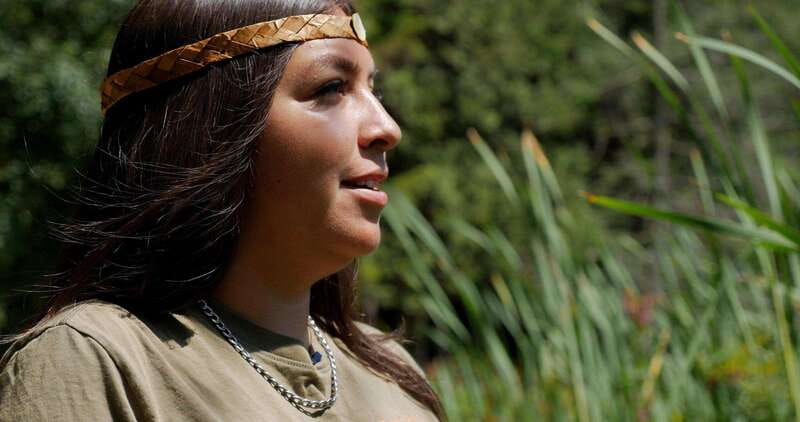
This tour depends heavily on the person leading it. The guide is a cultural ambassador and a member of a local Indigenous community or a community from the surrounding region. That local connection is central to the experience.
The strongest moments are likely to come through personal links to family, ancestors, and land. One guide spoke with clear feeling about ancestral practices and how some of those ideals can still be part of modern life. That kind of perspective gives the tour a human center.
You should also expect a respectful introduction to Coast Salish cultural traditions rather than a complete survey of every Indigenous nation in British Columbia. The information specifically points to Coast Salish peoples and local communities, so the tour has a regional focus.
I appreciate that the discussion includes both ancient and contemporary history. It avoids presenting Indigenous life as something that ended in the past. You hear about traditions and ecological practices, but also about how those ideas remain relevant now.
What $58 gets you
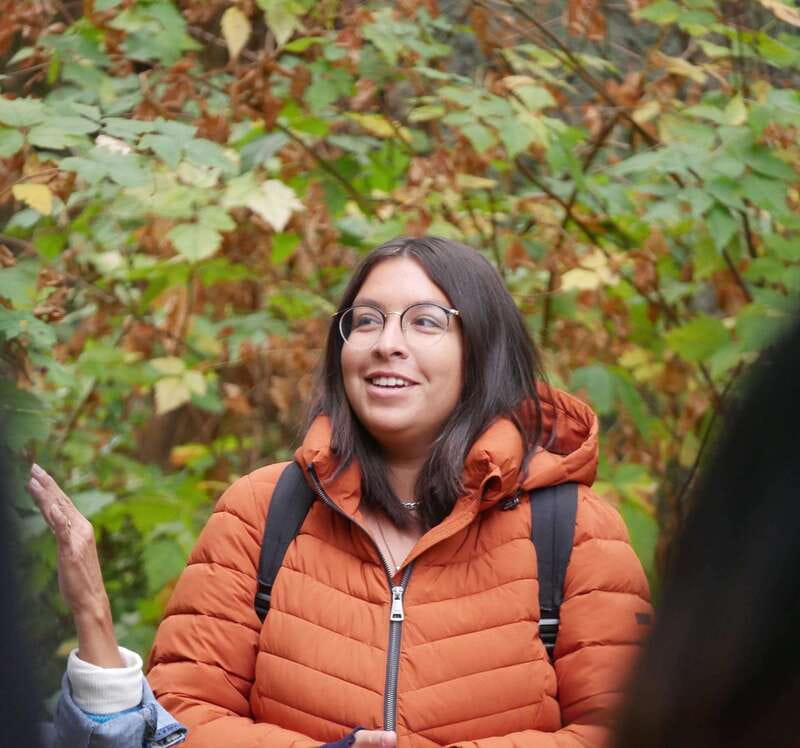
At $58 per person, this is not the cheapest way to walk through Stanley Park. You can enter the park without paying for admission and explore many paths on your own.
The value comes from interpretation. For the price, you receive a 90-minute guided experience, an Indigenous herbal tea, a tea ceremony, and the chance of seasonal berry tasting. Most important, you gain context that you would not get from simply reading plant names on a sign.
I think the cost makes sense if you want a cultural experience with a local guide and prefer a small, focused outing to a large sightseeing program. It is less convincing for someone who only wants park scenery or a fast introduction to Vancouver’s major sights.
There is no hotel pickup, so include your own transport time and cost in the day’s budget. You also need to bring suitable clothing and shoes. Those are modest requirements, but they matter in a park where conditions can change with the season.
Free cancellation up to 24 hours before the start gives you some useful flexibility. You can also reserve now and pay later, which helps if your Vancouver schedule is still taking shape.
Clothing, age, and practical comfort
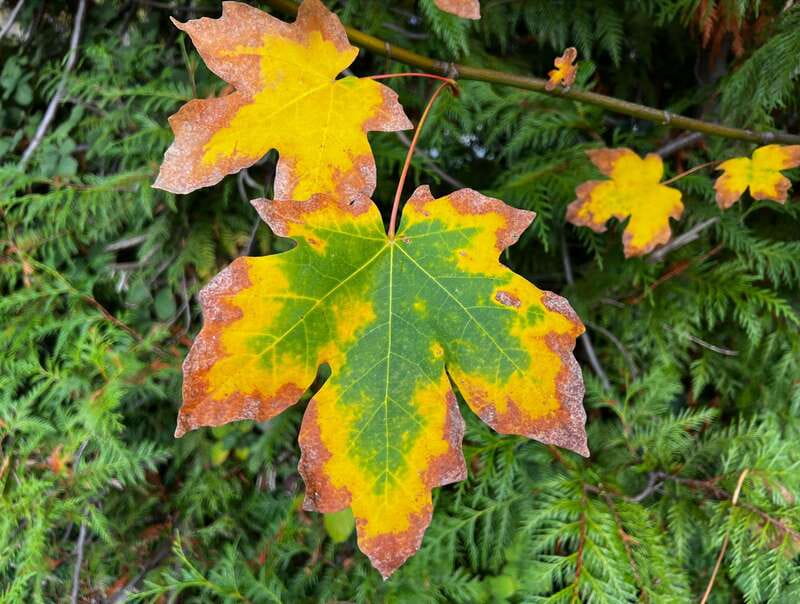
Wear comfortable walking shoes. The route is leisurely, but sandals or stiff city shoes can make a forest walk less pleasant.
Layers are the smart choice because the information specifically recommends clothing suited to changing seasons. In warmer weather, bring sunglasses, sunscreen, and a hat. You should also be prepared for weather rather than counting on a dry, mild morning.
Large bags and luggage are not allowed. Travel light and leave suitcases at your accommodation. A small personal item may be worth confirming when you book, but the clear instruction is not to arrive with luggage or a large bag.
The tour is recommended for children aged 12 and older. Younger children may be included if you believe the format suits them and the guide agrees. I would judge this by your child’s ability to walk 2.2 kilometers, listen through frequent discussions, and treat cultural stories with attention.
This is not presented as an access-focused tour, and the supplied details do not describe path surfaces or mobility arrangements. If you need specific access information, ask before booking rather than guessing.
Who will enjoy the Talking Trees Tour
I would choose this experience if you want to understand Vancouver beyond its postcard views. It suits people who enjoy local voices, plant knowledge, oral traditions, and thoughtful conversation.
It is also a good fit if you have already seen some of Stanley Park and want a new reason to return. The park itself may be familiar, but the guide’s focus can make ordinary paths feel newly significant.
Families with older children can gain a lot from it, especially if the children enjoy nature and asking questions. Couples and solo visitors who prefer a calm, meaningful outing should also find the pace comfortable.
I would skip it if you want a fast checklist of Stanley Park highlights, a strenuous hike, or a tour packed with scenic stops. The park is the setting, but the main attraction is the cultural interpretation.
The current information records a perfect five-star score from seven ratings, with praise focused on the guide’s connection to family and land, the authenticity of the experience, and the practical use of plants in Indigenous life. Those are exactly the areas where this tour appears strongest.
Should you book this Stanley Park experience?
Book it if you want your time in Stanley Park to include more than trees and views. The combination of Indigenous storytelling, plant uses, a leisurely walk, and herbal tea gives you a grounded way to meet the place.
At $58, the tour asks you to pay for insight rather than entertainment. That is good value for a visitor who wants an Indigenous-led cultural experience and is willing to listen carefully.
Before booking, confirm that the 90-minute English walk fits your plans, note the exact bus-loop meeting point, and dress for the weather. If you do those simple things, the Talking Trees Tour offers a thoughtful look at how people, plants, and place remain connected in Vancouver.
FAQ
Where does the Stanley Park Talking Trees Tour meet?
Your guide waits under the gazebo at the Stanley Park Bus Loop, near the Miniature Railway and the Pavilion inside Stanley Park. The Google Maps location is LOT-62F. This is not the Historic Loop at the park entrance.
How long is the tour?
The experience lasts 90 minutes, or about 1.5 hours.
How far do you walk?
The walking tour covers approximately 2.2 kilometers at a leisurely pace, with frequent stops for discussion and exploration.
What language is the tour conducted in?
The live tour guide speaks English.
What is included in the price?
The experience includes guided walking in Stanley Park, complimentary Indigenous herbal tea, and a tea ceremony at Beaver Lake. Depending on the season, you may also taste Indigenous berries growing in the park.
Is hotel pickup included?
No. Hotel pickup and drop-off are not included, so you must make your own way to Stanley Park.
Is the tour suitable for children?
The tour is recommended for children aged 12 and older. Younger children may join if you feel the experience suits them, and the guides are happy to include them.
What should you bring?
Bring comfortable walking shoes and clothing suited to the weather. Layers are recommended, and sunglasses, sunscreen, and a hat are useful in warmer weather.
Can you cancel or pay later?
You can cancel up to 24 hours in advance for a full refund. The tour also offers reserve-now, pay-later booking.
Just added around Vancouver
- Private Vancouver City Amazing Highlight Tour With Chinese Garden★ 5.0 · 3 reviews
- Private Chauffeured Airport to Whistler Transfer (YVR – Whistler)★ 3.5 · 3 reviews
- Stanley Park Self Guided Bike Tour★ 5.0 · 3 reviews
- Unforgettable Whistler ( Full Day Private Tour)★ 5.0 · 3 reviews
- Private Accessible Vancouver Airport (YVR) Transfer to City of Vancouver★ 5.0 · 3 reviews
- Private Chauffeured Whistler Transfer (Vancouver to Whistler)★ 4.0 · 3 reviews
- Experience the Beauty of Vancouver’s Forests by Bike/E-Bike★ 5.0 · 3 reviews
- 3 Hour Kayak in Vancouver with Coffee on the Beach★ 5.0 · 3 reviews
Stanley Park Tours, compared.

Vancouver City Sightseeing Tour: Granville Island & Stanley Park
Read our review →
Vancouver Tour: Stanley Park, Granville Island & Capilano Bridge
Read our review →
The Stanley Park Bicycle Tour by Cycle City Tours
Read our review →
Sunset Bus Tour: Stanley Park & English Bay Photostops
Read our review →Browse the lists this tour appears in