
Reviewed · HISTORICAL TOURS
Vancouver: LGBTQ2+ History Tour in the West End
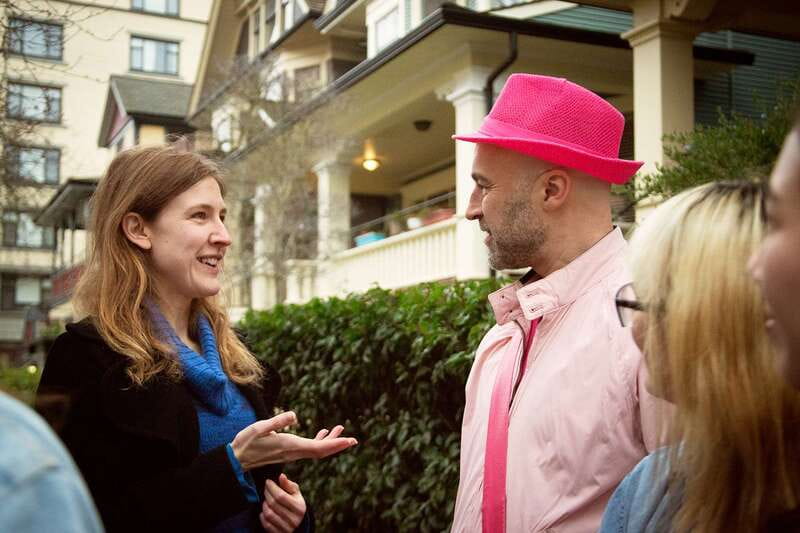
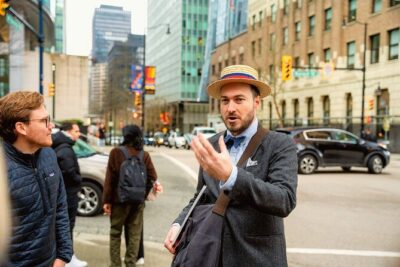
Vancouver’s LGBTQ2+ story comes alive on foot, one West End block at a time. Glenn Tkach, the tour’s creator and the self-described Man In Pink, connects ordinary streets with stories of protest, loss, courage, and celebration. This is not just a walk through Davie Street. It is a look at how a community helped shape modern Vancouver.
I like two things right away: the personal storytelling and the clear route from downtown into Davie Street Village. The tour also gives you a useful sense of place, stopping at locations tied to Pride, churches, parks, bookstores, and public memorials. The main consideration is its mature subject matter. Children under 10 cannot attend, and parents should decide if the adult themes suit children aged 10 and older.
In This Review
- Key points to know before you go
- Starting at 930 Burrard Street with the Man In Pink
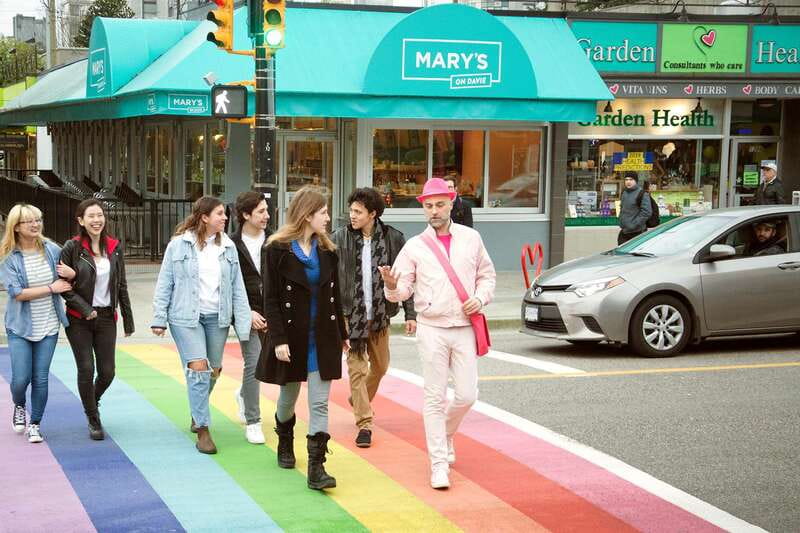
- From downtown streets to Davie Street Village
- Nelson Park and the value of a quieter stop
- Pride, Jim Deva Plaza, and the fight for public space
- Bookstores, violence, and stories that are not polished
- The transgender campaigner and Vancouver’s biggest crime
- Why the two-hour format works
- Ending in the Davie Street Village
- Who will get the most from this tour?
- Practical value at $28 per person
- Should you book the Vancouver LGBTQ2+ History Tour?
- FAQ
- Where does the LGBTQ2+ History Tour begin?
- Where does the tour finish?
- How long does the tour last?
- Who leads the walking tour?
- What language is the tour in?
- Is the tour wheelchair accessible?
- What should I bring?
- Are children allowed to join?
- Are food and drinks included?
Key points to know before you go
- Glenn Tkach leads the walk: He is a queer historian, professional storyteller, and creator of the tour.
- The route ends on Davie Street: You finish among the neighborhood’s bars and restaurants, with time to continue your afternoon.
- Expect more than celebratory Pride stories: The tour covers discrimination, the GRID crisis, bookstore bombings, and painful chapters in LGBTQ2+ life.
- The West End becomes your history book: Nelson Park, Jim Deva Plaza, the Quadra, and a United Church all connect to the story.
- Plan for two hours outdoors: Comfortable shoes and clothing for rain are sensible because the tour runs in all weather.
- The price is $28 per person: For a focused, guide-led walk with a strong local subject, that is fair value if the topic matters to you.
Starting at 930 Burrard Street with the Man In Pink
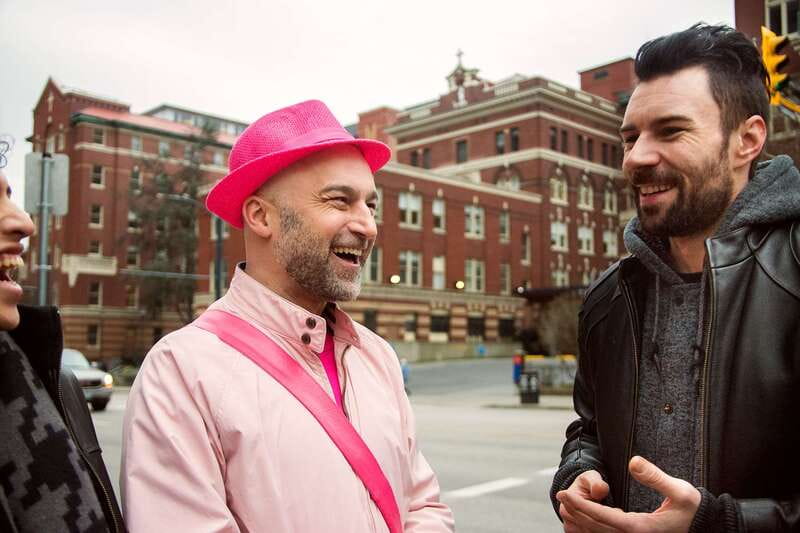
Meet Glenn outside Trees Organic Coffee Shop at 930 Burrard Street. This is a practical downtown starting point, and the coffee shop gives you an easy landmark if you are arriving from another part of central Vancouver.
Glenn’s role matters here. He is not simply reading dates from a card. He created the tour and presents it as a queer historian and professional storyteller. That helps explain why the walk has such a personal feel. His approach links public events with the people who lived through them.
The tour is in English, and the experience lasts two hours. You should arrive ready to walk rather than expecting a series of indoor talks. Comfortable shoes are essential, and you need clothing that can handle Vancouver weather. The walk operates rain or shine.
The route begins in the heart of downtown and heads toward the West End. That gradual change is useful. Instead of treating the Davie Street Village as an isolated nightlife district, Glenn places it within the wider city and shows how LGBTQ2+ life developed across Vancouver.
A few more Vancouver trips worth weighing up
- Gastown Historic Walking Food Tour
★ 5.0 · 1,863 reviews - The Really Gay History Tour in Vancouver, Canada
★ 5.0 · 357 reviews - Vancouver: Guided Food and City History Tour
★ 4.5 · 53 reviews
From downtown streets to Davie Street Village
The first part of the walk links downtown Vancouver with the West End. You will hear about people and events that helped shape the city’s LGBTQ2+ community, including Imperial Court coronations, drag kings at the Quadra, and gay ministers at the United Church.
Those subjects give the walk a broad range. You are not getting a single story about bars or Pride parades. You are hearing about performance, faith, community leadership, and public identity. That variety makes the tour useful even if you already know something about LGBTQ2+ history.
The mention of the Quadra points to the role of drag kings and performance spaces in community life. The United Church story opens another door, showing how religious institutions and queer identity could intersect. These stops should help you see the community as more than a nightlife scene.
Glenn also discusses Patient Zero and the GRID crisis. These are difficult subjects, and the tour does not avoid the fear and heartbreak connected with the AIDS crisis. The subject matter may be heavy, but it is important context for understanding why health care, public stigma, activism, and mutual support became such major concerns.
I would pay attention to the pacing here. One verified booking described the walk as well paced and carefully structured, and that is important on a two-hour history tour. Too many dates can blur together. Glenn’s storytelling format appears designed to keep the human stakes in view.
Nelson Park and the value of a quieter stop
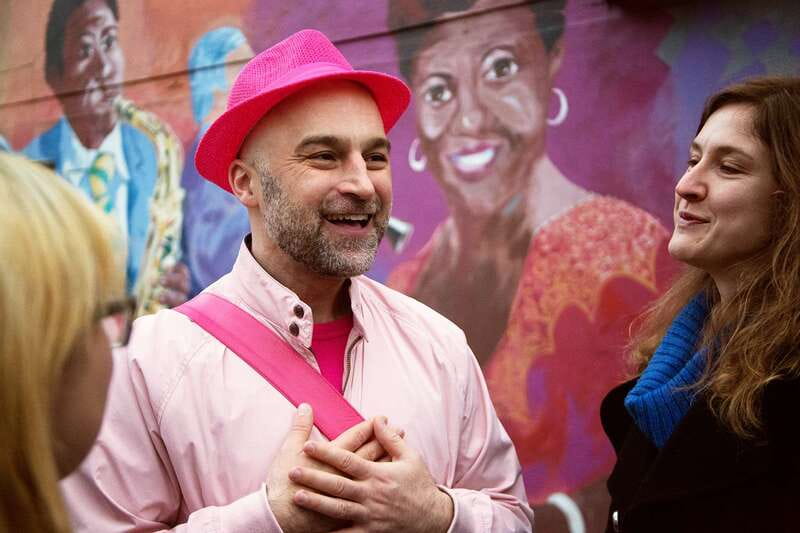
Nelson Park provides a pause from the city streets. The tour passes through this tree-lined urban oasis as the story continues toward Davie Street.
A park might seem like a small detail, but it helps the walk breathe. You get a change of setting and a chance to take in the West End as a lived-in neighborhood rather than just a collection of historic markers. The trees and open space also offer a natural break during a route filled with serious material.
This is one reason I prefer a walking tour like this to a quick visit to a Pride display or a nightlife street. The route places the history in everyday surroundings. You are not just told that a community existed. You see the streets, public spaces, and local institutions where people gathered, organized, worshiped, performed, and pushed back.
The route is wheelchair accessible, which makes this section and the broader walk more practical for more visitors. Still, the experience takes place outdoors for two hours, so weather preparation remains important.
Pride, Jim Deva Plaza, and the fight for public space
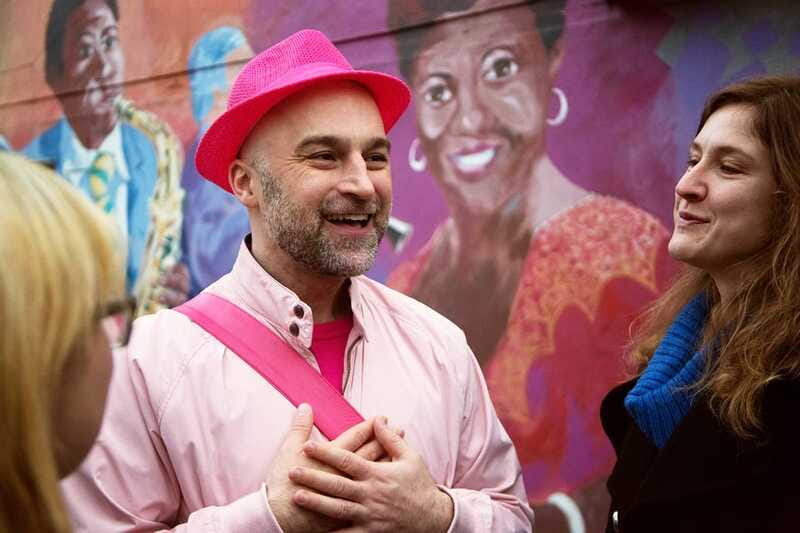
As the walk continues through the West End, Glenn covers Vancouver’s earliest Pride parade and Jim Deva Plaza. These are key points in the city’s public LGBTQ2+ story.
Pride can be easy to understand as a colorful annual event. A good history walk shows the harder work beneath it. The early parade represents public visibility at a time when appearing openly as LGBTQ2+ could involve real personal and social risk. You will hear about the people who helped move the community from private gatherings toward a visible place in city life.
Jim Deva Plaza adds a more specific location to that story. The plaza is tied to one of Vancouver’s most important LGBTQ2+ figures, and its place on the route gives the discussion a firm physical point. You can connect a name and a public space instead of letting the story float away as an abstract lesson.
The stop also helps explain why bookstores and community businesses mattered. They were places to find books, news, contact with other people, and a sense of belonging. That leads naturally to the tour’s discussion of bookstore bombings, one of the walk’s more painful chapters.
A different kind of day, same city:
- Vancouver Half-Day Whale Watching Adventure with Free Photos
★ 5.0 · 5,000 reviews - Big Bus Vancouver Hop-On Hop-Off Sightseeing Tour
★ 3.5 · 3,028 reviews - Victoria & Butchart Gardens Tour with Ferry from Vancouver
★ 4.5 · 2,703 reviews - Vancouver: Covered Whale Watching Adventure with Free Photos
★ 4.8 · 2,260 reviews
Bookstores, violence, and stories that are not polished
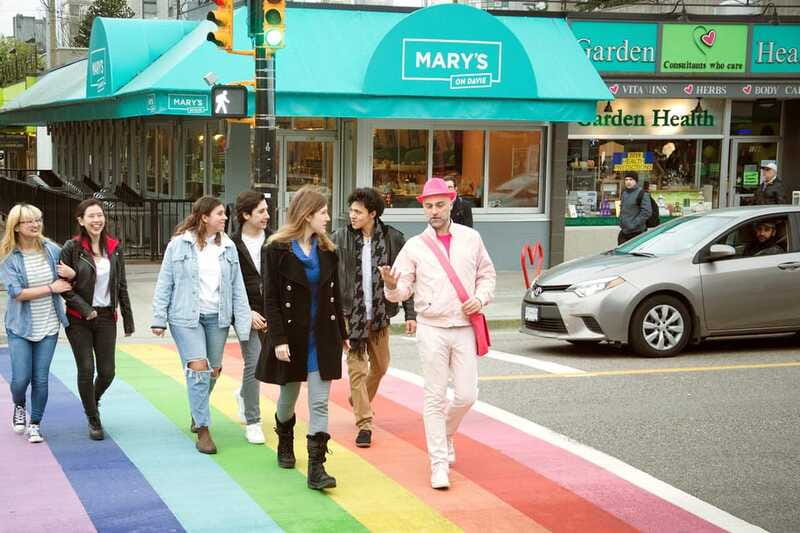
The bookstore bombings are a reminder that LGBTQ2+ history is not a tidy march toward acceptance. There were threats, violence, censorship, and fear alongside the victories.
That balance is one of the tour’s strengths. You will hear about triumphs, but also about the cost of organizing and being visible. The material may be upsetting for some people, especially when placed alongside the GRID crisis and other stories of loss.
Glenn’s storytelling is central to how this material lands. Several published comments describe him as warm, funny, passionate, and emotionally affecting. One person who had been part of Vancouver’s LGBTQ2+ community since the mid-1980s found the walk meaningful even after years of personal experience. That is a useful clue for longtime community members: you do not need to be new to the subject to get something from the tour.
At the same time, you should not expect a light sightseeing walk with a few colorful anecdotes. The tone includes humor and uplifting moments, but it also deals with adult themes and painful events. The suggested age is 14 and older, while children aged 10 and up may attend if their parents are comfortable with the material.
The transgender campaigner and Vancouver’s biggest crime
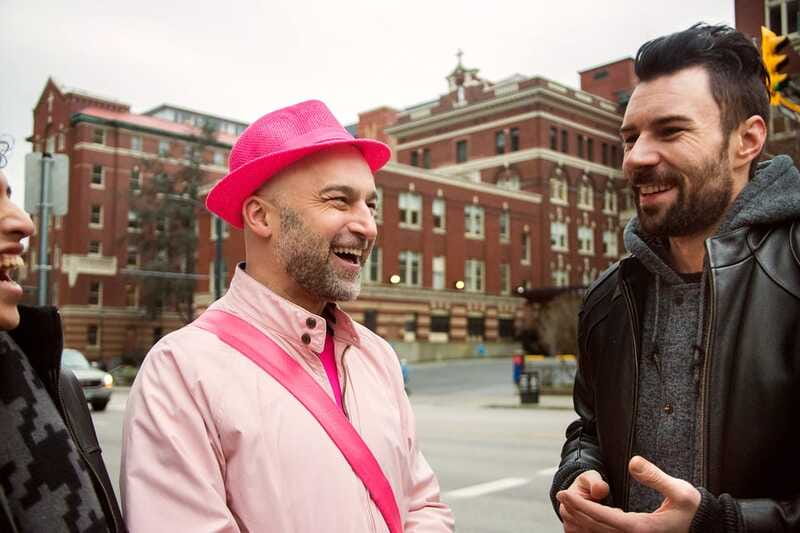
One of the most striking stories concerns a transgender campaigner who blew the whistle on what is described as the biggest crime in Vancouver history. This part gives the tour a strong link between LGBTQ2+ activism and wider civic life.
It also shows why representation matters. A transgender person is not included as a side note, but as a central figure in a major Vancouver story. That focus broadens the tour beyond a narrow account of gay male history, though the supplied details do not identify the campaigner by name.
This is the kind of story that makes a local history walk worthwhile. You might pass through the West End many times without knowing which people challenged official accounts or forced the city to face wrongdoing. Glenn uses the streets to connect those acts of courage with the community that supported them.
The story also fits the tour’s larger theme: change did not arrive by accident. People organized, spoke out, built institutions, created public events, and sometimes took personal risks to make the city more honest and more welcoming.
Why the two-hour format works
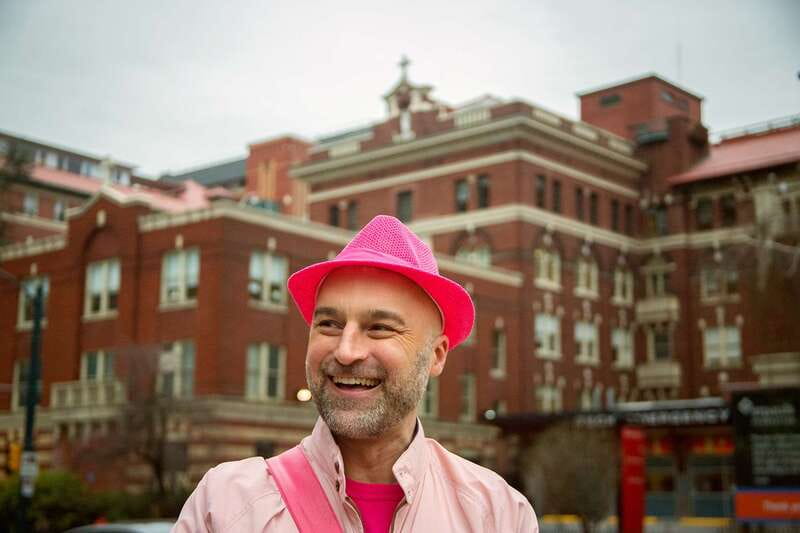
Two hours is enough time to cover several subjects without turning the experience into an all-day commitment. You can fit the walk into a morning or afternoon, then continue exploring Vancouver on your own.
The route appears to be structured as a steady move from downtown into the Davie Street Village. That gives the tour a beginning, middle, and end rather than a string of unrelated stops. You start with wider city context, move through specific stories and public places, then finish in the neighborhood most closely linked with Vancouver’s LGBTQ2+ identity.
The duration also keeps the cost in perspective. At $28 per person, you are paying for a focused local history experience led by its creator. That is a fair price if you value a human guide and a carefully developed subject. It is less appealing if you want a general Vancouver sightseeing tour, a food walk, or a short photo stop.
Food and drinks are not included. That is not a problem because the route ends among Davie Street’s bars and restaurants, but you should budget separately if you want lunch or a drink afterward.
Ending in the Davie Street Village
The walk finishes in the middle of Davie Street Village. This is a strong ending because the neighborhood itself becomes the final part of the lesson.
After hearing about early Pride, drag performers, community institutions, activism, and public struggles, you arrive at a street known for LGBTQ2+ life today. The bars and restaurants give you an easy place to sit down and think over what you have heard.
I like this kind of ending better than finishing beside a transit stop with no reason to linger. You can keep the afternoon going, order a cocktail, or simply walk around and see the neighborhood with more context. The tour does not include food or drinks, so the decision and cost remain yours.
Davie Street Village is also a practical base for further independent exploring. The tour gives you the background first, then lets you decide how much time you want to spend in the area. That balance works well for independent travelers who prefer a guided introduction followed by free time.
Who will get the most from this tour?
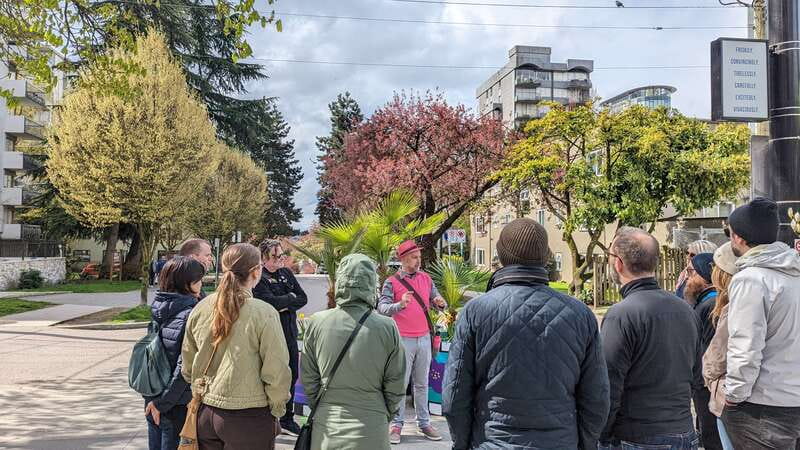
I would recommend this walk to anyone interested in Vancouver’s social history, LGBTQ2+ culture, local activism, or personal storytelling. It suits visitors who want more than a list of famous buildings and who are comfortable giving serious subjects their proper weight.
It is also a good choice for people who already know some LGBTQ2+ history. A Canadian participant with decades of community experience still found the walk personal, insightful, emotional, uplifting, and inspiring. That suggests Glenn’s local focus can add detail even when the broad themes are familiar.
The tour may be less suitable if you dislike walking in uncertain weather or prefer a purely lighthearted activity. The rain-or-shine policy means you need to dress properly, and the adult themes are not hidden behind a cheerful sightseeing format.
Families should take the age guidance seriously. Children under 10 are not suitable for the tour. Children aged 10 and older may attend if their parents are comfortable with references to adult subjects, but the suggested age is 14 and older.
Practical value at $28 per person
At $28, this is a reasonably priced two-hour experience. The value comes from the guide’s preparation, the local focus, and the route’s clear connection between places and stories.
You are not paying for admission to a major attraction, a meal, or transportation. You are paying for access to Glenn’s research and storytelling while walking through the actual West End settings tied to the subject. For someone who wants a thoughtful introduction to Vancouver’s LGBTQ2+ past, that is a sensible use of money.
The 4.9 rating from 20 reviews also points to a consistent experience, with repeated praise for Glenn’s storytelling, humor, passion, pacing, and warmth. I would give the most weight to the repeated comments about his ability to make the material informative and emotional without losing the human side.
You can cancel up to 24 hours before the tour for a full refund, and the reserve-now, pay-later option gives you some flexibility when your Vancouver plans are still changing. The tour is wheelchair accessible, but you should still plan for an outdoor walk in the weather.
Should you book the Vancouver LGBTQ2+ History Tour?
Book it if you want a focused, human account of Vancouver’s LGBTQ2+ past and you are happy to spend two hours outdoors. Glenn Tkach’s role as creator and storyteller is the main reason to choose this walk over a generic city tour.
The strongest reasons to go are the specific West End route, the mix of celebration and hardship, and the chance to finish in Davie Street Village with time to continue on your own. Wear comfortable shoes, bring weather-appropriate clothing, and be ready for mature material.
Skip it if you want a broad introduction to all of Vancouver or a relaxed tour with no difficult history. For the right audience, though, $28 buys a memorable local story told in the places where that story happened.
FAQ
Where does the LGBTQ2+ History Tour begin?
The tour begins outside Trees Organic Coffee Shop at 930 Burrard Street in Vancouver.
Where does the tour finish?
The walk finishes in Davie Street Village on Davie Street, near its bars and restaurants.
How long does the tour last?
The tour lasts two hours.
Who leads the walking tour?
Glenn Tkach leads the tour. He is a queer historian, professional storyteller, and creator of the experience.
What language is the tour in?
The guided tour is conducted in English.
Is the tour wheelchair accessible?
Yes, the tour is wheelchair accessible.
What should I bring?
Bring comfortable shoes and clothing suitable for the weather. Tours operate rain or shine.
Are children allowed to join?
Children under 10 are not suitable for the tour. Children aged 10 and older may attend if their parents are comfortable with mature subject matter, although the local age recommendation is 14 and older.
Are food and drinks included?
No. Food and drinks are not included, but the tour ends in Davie Street Village, where you can find bars and restaurants.
Just added around Vancouver
- Private Vancouver City Amazing Highlight Tour With Chinese Garden★ 5.0 · 3 reviews
- Private Chauffeured Airport to Whistler Transfer (YVR – Whistler)★ 3.5 · 3 reviews
- Stanley Park Self Guided Bike Tour★ 5.0 · 3 reviews
- Unforgettable Whistler ( Full Day Private Tour)★ 5.0 · 3 reviews
- Private Accessible Vancouver Airport (YVR) Transfer to City of Vancouver★ 5.0 · 3 reviews
- Private Chauffeured Whistler Transfer (Vancouver to Whistler)★ 4.0 · 3 reviews
- Experience the Beauty of Vancouver’s Forests by Bike/E-Bike★ 5.0 · 3 reviews
- 3 Hour Kayak in Vancouver with Coffee on the Beach★ 5.0 · 3 reviews
Historical Tours, compared.

The Really Gay History Tour in Vancouver, Canada
Read our review →
Vancouver Holiday History and Hot Chocolate Tour
Read our review →Browse the lists this tour appears in